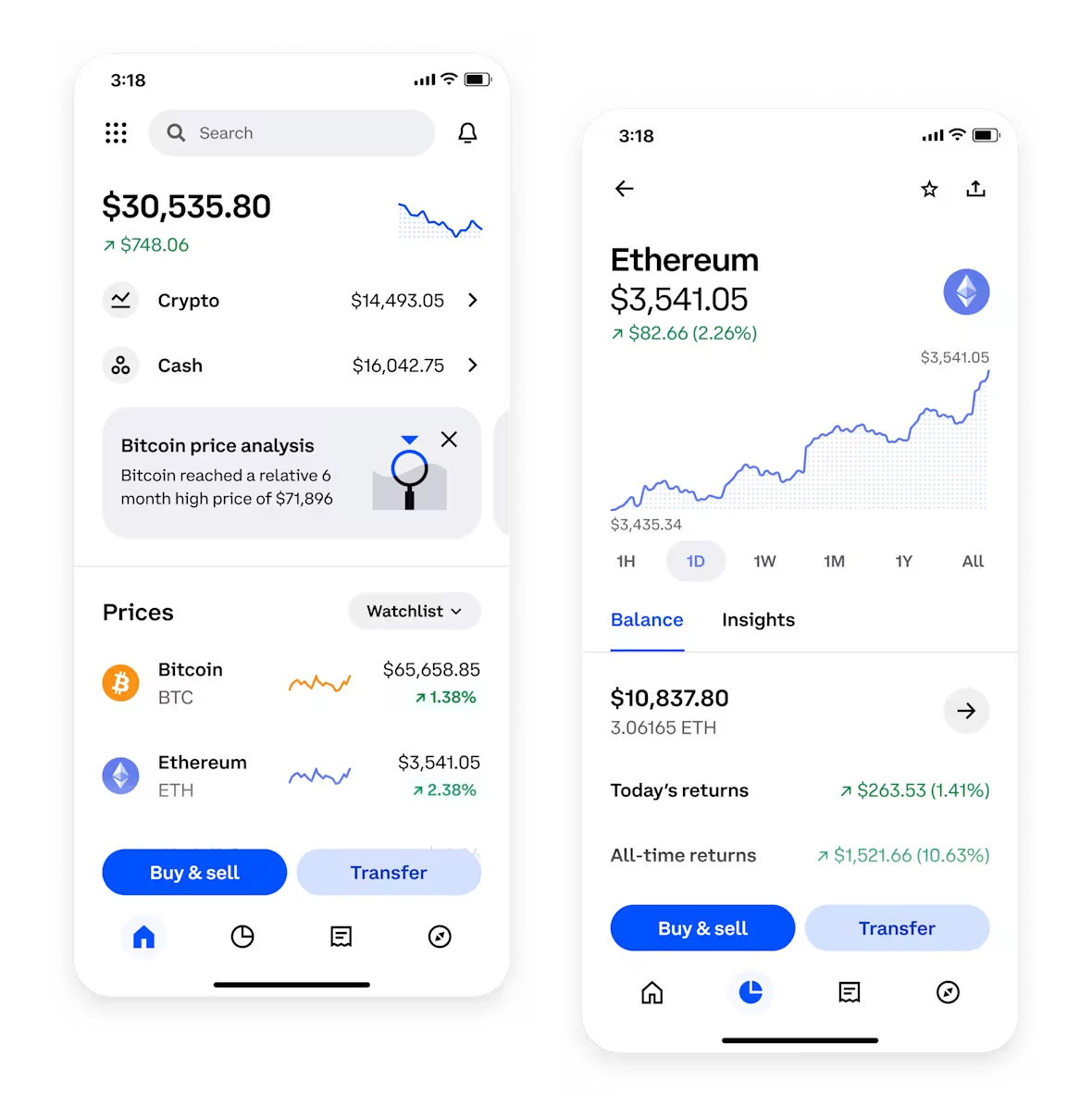

Binance Chain, particularly the Binance Smart Chain (BSC), has become a cornerstone for decentralized finance and cryptocurrency trading. Understanding how to read and operate K-line charts on Binance is essential for both novice and experienced traders. K-lines, also known as candlestick charts, provide critical market data including open, high, low, and close prices over specific time frames. This guide explains the key operations and strategies for using K-line charts on Binance effectively.
The first step in operating K-line charts on Binance is selecting the correct trading pair. On the Binance exchange, you can find both spot and futures markets. For BSC-related tokens, navigate to the "Spot" or "Futures" section and search for pairs like BNB/BUSD or CAKE/USDT. Once you select a pair, the charting interface will appear. Binance uses TradingView charts, which offer extensive customization. You can adjust the time frame from 1 minute to 1 month depending on your trading style. Day traders often use 5-minute or 15-minute K-lines, while long-term investors prefer 4-hour or daily charts.
To perform a basic operation, switch between different K-line intervals by clicking the time buttons at the top of the chart. For example, clicking "1h" displays one-hour candles. Each candle shows the price range for that hour. If the candle is green, the close price is higher than the open price (bullish). If it is red, the close is lower than the open (bearish). Understanding this color coding is fundamental. You can also add indicators by clicking the "Indicators" button on the left panel. Popular indicators for BSC trading include Moving Averages (MA), Bollinger Bands, and the Relative Strength Index (RSI). These tools help identify trends and potential reversal points.
Another crucial operation is drawing support and resistance levels directly on the chart. Using the drawing tools on the left side, you can highlight horizontal lines at key price points where the market has previously reversed. This helps in setting entry and exit orders. For Binance terms, if you see a K-line breaking above a resistance level with high volume, it often signals a strong upward move. Conversely, a break below support suggests selling pressure. You can also use the "watchlist" feature to monitor multiple BSC tokens simultaneously, comparing their K-line patterns without switching pages.
Advanced users may utilize Binance's order book and trade history alongside K-lines. To do this, ensure the "Depth" and "Market Trades" panels are open on the right side of the screen. When a large buy order appears on the order book, the next K-line often shows a sharp price increase. Similarly, if the K-line shows a long upper wick (a large shadow above the candle body), it indicates that sellers rejected higher prices. This is a common signal to take profit or set a stop-loss. For Binance futures traders, K-lines also reveal funding rate impacts and liquidation clusters.
Finally, practice using the "Backtesting" feature available on Binance. By scrolling left on the K-line chart, you can replay historical price action. This allows you to test a trading strategy without risking real funds. Always confirm K-line signals with volume data. For BSC tokens, high volume during a K-line break can validate the move. Also, note that Binance periodically updates its chart interface. Ensure your app or web platform is up to date. By mastering these K-line operations on Binance, you gain the ability to make data-driven decisions, reduce emotional trading, and improve your overall crypto trading performance.